Mediterranean Plant Heritage
Exploring traditional knowledge of botanical wisdom through history and culture
Trigonella foenum-graecum
In Mediterranean Diet
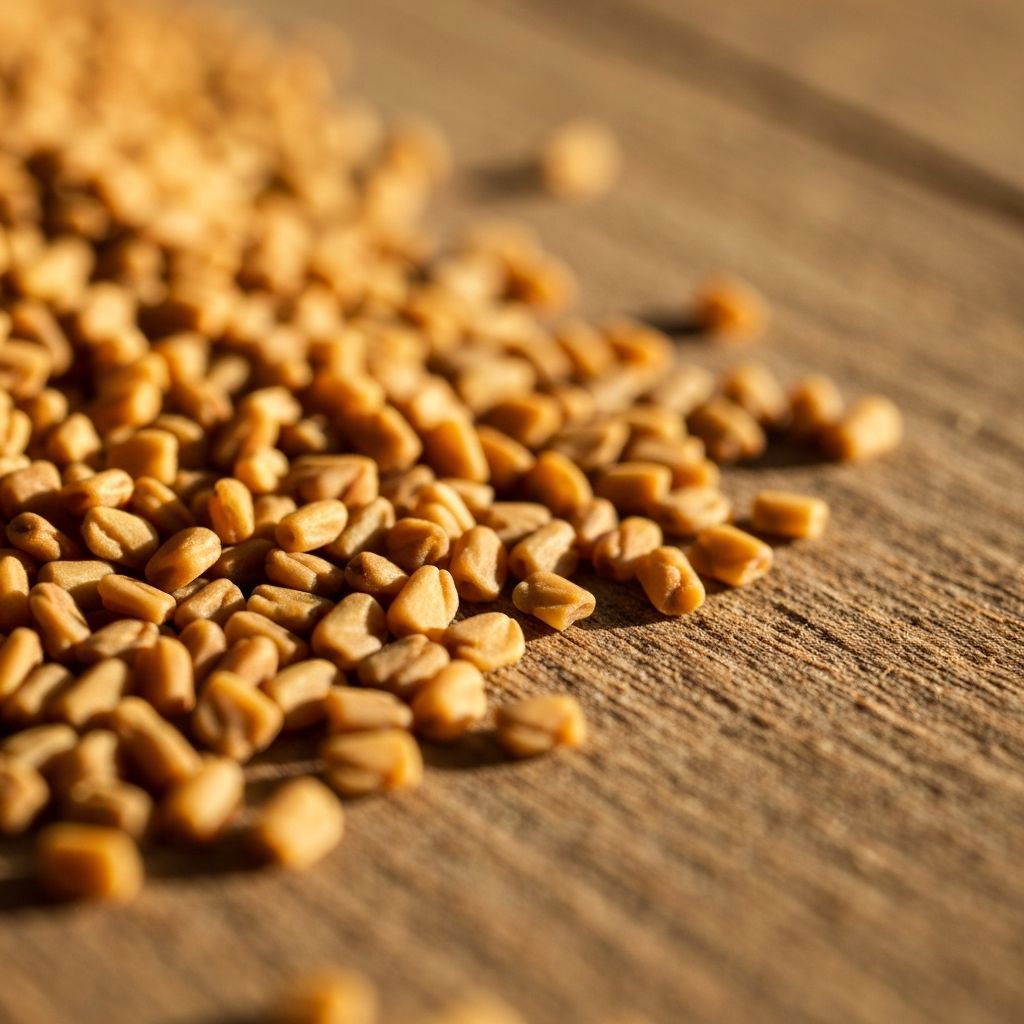
Seed Characteristics
Trigonella foenum-graecum, commonly known as fenugreek, represents one of the oldest cultivated plants in Mediterranean regions. The seeds are small, golden-brown, and possess a characteristic warm aroma that has made them valuable in traditional Italian and Mediterranean culinary practices.
Historical Use in Italian Regions
Throughout Tuscany and Southern Italy, fenugreek seeds have been integrated into regional wellness traditions for centuries. Local herbalists and practitioners have traditionally prepared seeds as powders, infusions, and incorporated them into daily nutrition rituals. The plant's role in Italian folk knowledge reflects broader Mediterranean cultural exchanges through trade routes spanning from North Africa to the Eastern Mediterranean.
In traditional preparations, fenugreek seeds were ground into fine powder and used in warm preparations, combined with local olive oil, or mixed with other regional botanicals. The seeds contain saponins and other phytochemical compounds that have been recognized in traditional systems of knowledge.
Tribulus terrestris
Plant Profile
Botanical Traits
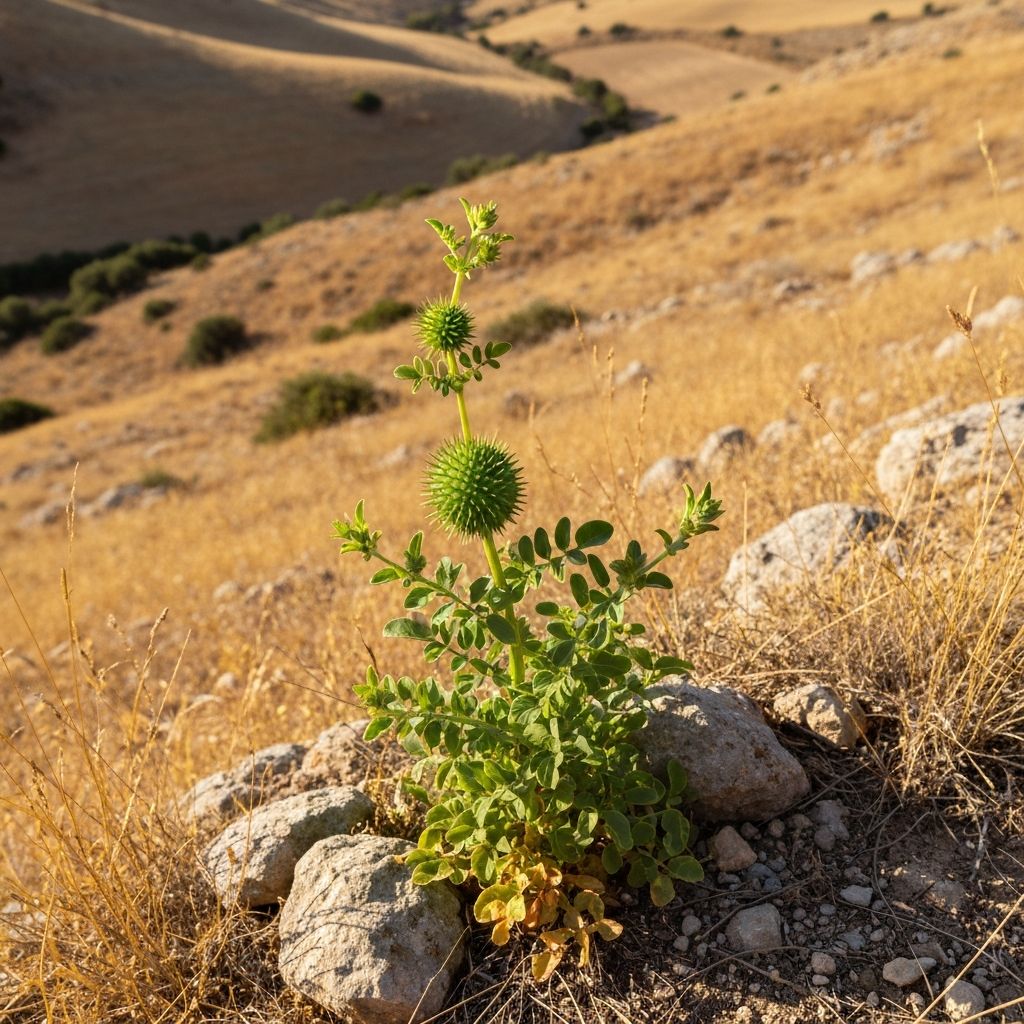
Tribulus terrestris, known in Mediterranean regions by various traditional names, grows in warm climate zones across Southern Europe. The plant produces small, spiky fruits that contain numerous seeds. Its botanical profile includes trailing stems and compound leaves, making it recognizable in Mediterranean landscapes.
Traditional Names in Southern Europe
In Italian folk tradition, this plant carries historical significance connected to regional wellness practices. Southern European herbalists recognized the plant's unique characteristics and incorporated it into traditional preparations. The plant's presence in Mediterranean trade networks brought it from warmer regions into European awareness through merchant routes and cultural exchanges.
Traditional Mediterranean approaches to plant knowledge included observations of seasonal growth patterns, harvest timing, and methods of preservation. The fruit and seed were valued in historical wellness rituals, often combined with other regional botanicals in traditional blends.
Curcuma longa
Rhizome Overview
Spice History via Trade Routes
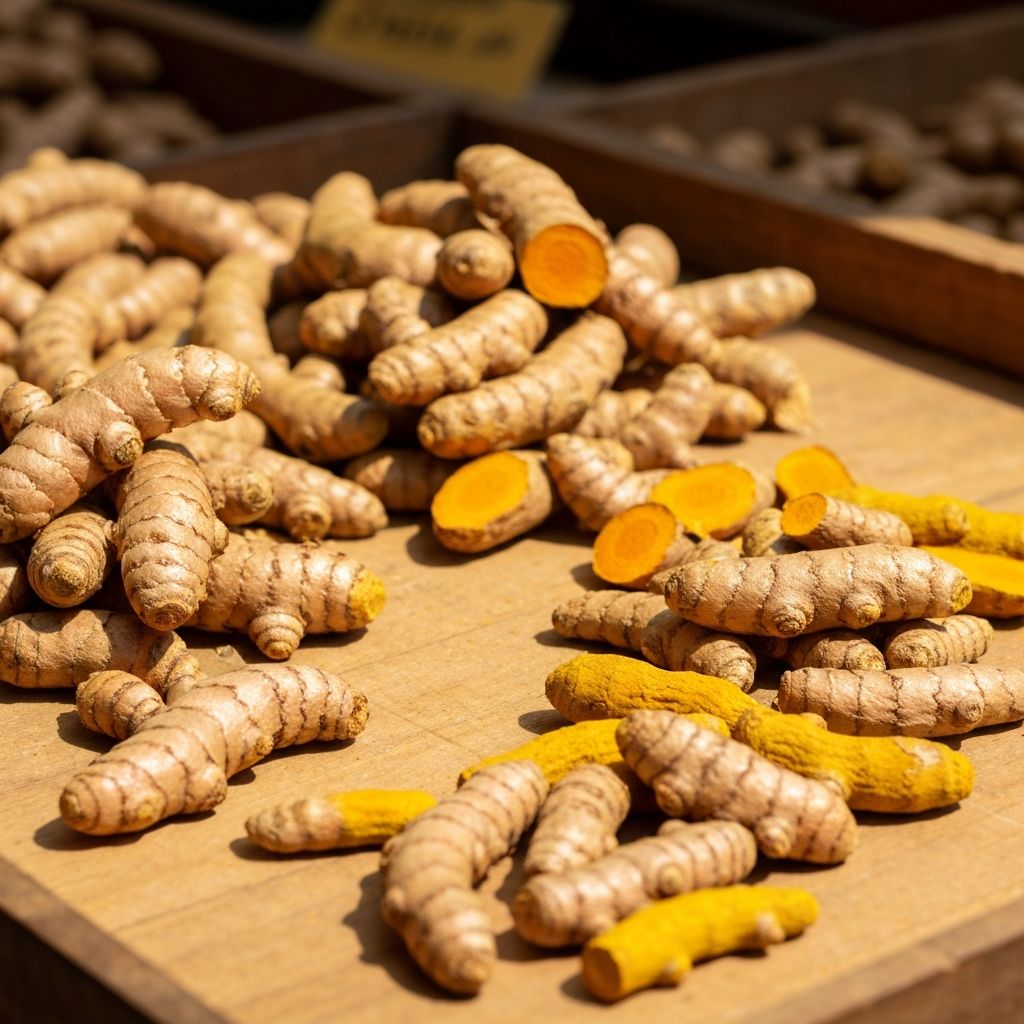
Curcuma longa, the source of turmeric, arrived in Mediterranean regions through ancient trade routes connecting Asia with European markets. The golden rhizome became a valued commodity, eventually integrating into Southern European culinary and wellness traditions. Historical records document turmeric's journey through Venice and other Mediterranean port cities during the medieval period.
Mediterranean Integration
Italian and Mediterranean cooks adopted turmeric in regional preparations, recognizing its warm color and distinctive flavor profile. The rhizome contains curcuminoid compounds, including curcumin, which have been noted in traditional knowledge systems. Local herbalists prepared turmeric as powders, infusions, and combined it with olive oil and other Mediterranean botanicals.
The spice became embedded in Mediterranean wellness traditions, often used in warming preparations during cooler months. Traditional preparation methods included grinding dried rhizomes into fine powder and incorporating them into daily nutrition and wellness rituals.
Boswellia serrata
Resin Description
Resin Collection and Mediterranean Exchange
Boswellia serrata produces aromatic resin tears that have been valued across cultures for millennia. The resin collection process, documented in historical texts, involves careful tapping of tree bark to allow natural resin flow. These precious tears were among the most sought-after trade goods connecting the Indian subcontinent with Mediterranean markets.
Historical Trade Significance
Frankincense, derived from Boswellia species, traveled along trade routes from the Arabian Peninsula and Indian regions into Mediterranean ports. Italian merchants, particularly those based in Venice and Genoa, facilitated the movement of this precious resin into European markets. The aromatic qualities and traditional applications made it highly valued in Mediterranean wellness and cultural practices.
Boswellia resin contains boswellic acids, compounds recognized in traditional systems of knowledge. Mediterranean herbalists and practitioners incorporated the resin into traditional preparations, often using it in aromatic applications and combined preparations with other botanicals.
Historical resin trade documentation and Mediterranean cultural significance
Withania somnifera & Lepidium meyenii
Context in Global Traditions
Roots in Global Traditions Influencing Europe
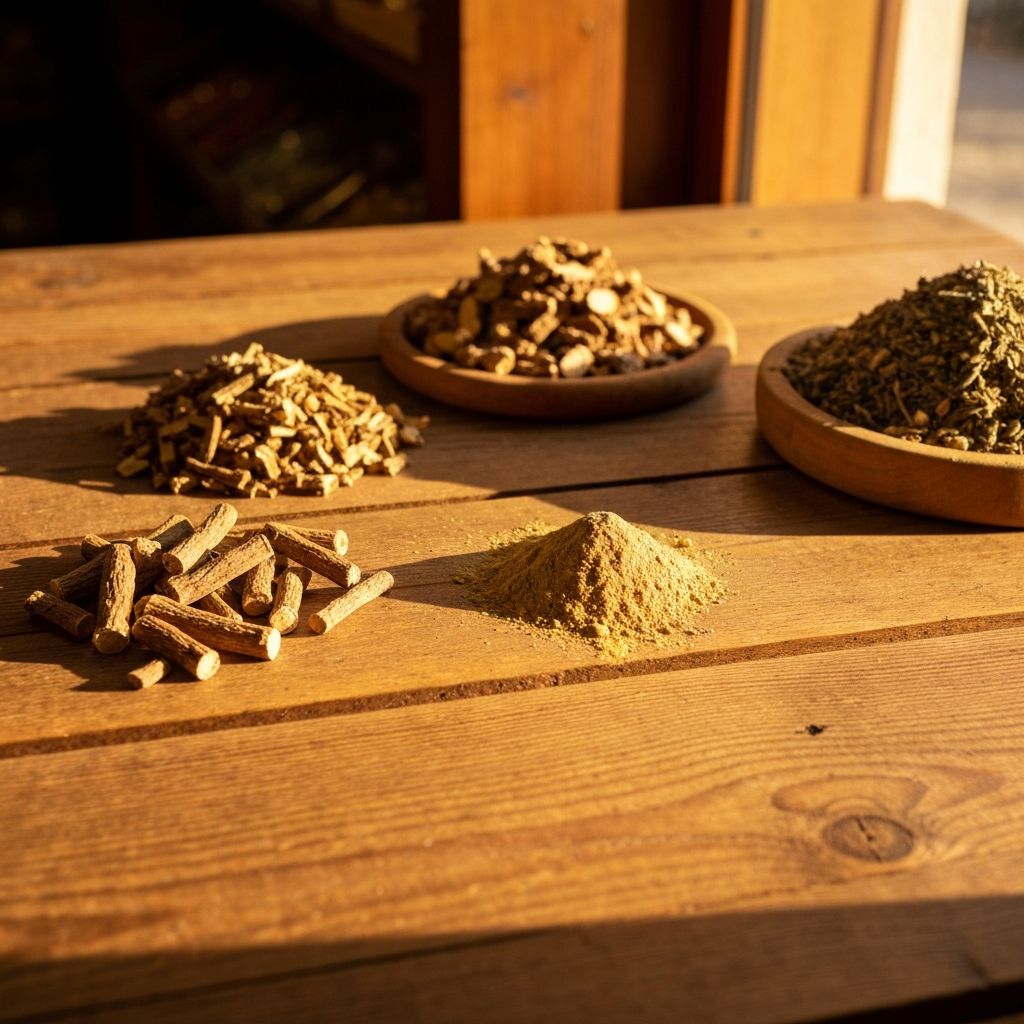
Withania somnifera, traditionally known as ashwagandha, originates from Indian Ayurvedic systems of knowledge. The root has been valued for centuries in traditional Indian wellness practices. Through trade and cultural exchange, knowledge of withania gradually influenced European herbalist traditions, particularly among educated practitioners who documented exotic botanical systems.
Lepidium meyenii: Andean Heritage
Lepidium meyenii, known as maca in traditional Andean cultures, represents South American botanical knowledge. Historical exploration and trade brought awareness of this Peruvian root into European consciousness. Both plants represent how Mediterranean and European herbalist traditions absorbed knowledge from global botanical systems through historical exchange and cultural contact.
Modern Mediterranean wellness practitioners recognize these plants as part of broader global herbal traditions. Their integration into contemporary European knowledge reflects centuries of cultural and commercial exchange, connecting traditional systems from Asia, South America, and Africa with Mediterranean and European awareness.
Combined Plant Use in Folklore
Historical Blending Examples
Historical records document traditional practitioners combining multiple botanicals to create preparations aligned with seasonal changes and daily wellness rituals. Mediterranean herbalist traditions included blending fenugreek seeds with turmeric powder and warming spices for autumn and winter preparations. Similar combinations appear in documented folk recipes from Italian regions, particularly in manuscripts from Tuscany and Southern Italy.
The practice of combining plants reflects deeper knowledge systems about botanical synergy in traditional wellness cultures. Documented examples include mixing frankincense resin with local herbs for aromatic applications, combining withania with Mediterranean botanicals in warming preparations, and creating seed blends incorporating fenugreek, tribulus, and regional Italian herbs.
Traditional Autumn Blend
Historical preparations from Mediterranean regions combined warming botanicals for seasonal wellness rituals. Documented blends included fenugreek seeds, turmeric rhizome, and local herbs prepared as warm infusions during cooler months.
Regional Seed Combinations
Southern European herbalists created seed blends for daily incorporation into nutrition. Traditional preparations ground multiple seeds into powders, combined with olive oil, and integrated into regional food preparations.
Aromatic Resin Practices
Frankincense and other aromatic resins were combined with local Mediterranean herbs in traditional wellness rituals. Historical documentation describes combining resin preparations with seasonal botanicals and essential plant materials.
Gentle Breathing Exercises for Balance
Simple Traditional Techniques
Traditional wellness practices across Mediterranean and global cultures have long recognized the importance of conscious breathing as part of daily well-being rituals. Simple breathing awareness techniques represent accessible practices for supporting general physical comfort and mental clarity.
Slow Nasal Breathing
A foundational technique practiced across traditional systems involves slow, deliberate breathing through the nose. This simple practice, requiring no equipment, focuses awareness on breath rhythm and supports general relaxation patterns during daily activities.
Extended Exhalation Practice
Traditional breathing awareness includes techniques emphasizing longer exhalation cycles. This gentle practice, documented in historical wellness traditions, involves extending the out-breath longer than the in-breath, supporting natural relaxation response patterns.
Rhythmic Breathing Awareness
Simple rhythmic breathing practices involve counting breath cycles to develop awareness and consistency. This technique, adaptable to daily routines, supports concentration and provides a neutral focus point during moments of transition throughout the day.
Note: These breathing techniques represent traditional awareness practices and should be adapted to individual comfort. Individuals with respiratory conditions should consult healthcare professionals before beginning any new practice.
Short Relaxation Methods
Neutral Body-Focused Practices
Progressive Awareness Techniques
Traditional wellness practices include methods for developing awareness of physical sensations during moments of pause. Simple techniques involve progressively observing different body areas while maintaining relaxed breathing patterns. These practices require minimal time and no special equipment.
Grounding Through Sensory Awareness
Traditional cultures across Mediterranean regions developed practices connecting individuals to present moment awareness. Simple techniques involve noticing sensory details in the immediate environment - temperature, texture, natural sounds - as a method for shifting attention and supporting mental clarity during daily activities.
Mindful Pause Practices
Short break techniques documented in historical wellness traditions involve brief moments of deliberate attention to posture, breathing, and physical comfort. These minimal-time practices are designed for integration into daily routines, supporting transitions between activities and general comfort awareness.
General Nutrition Insights
Plant Variety in Mature Lifestyle
Nutritional wisdom across traditional Mediterranean cultures emphasizes the role of diverse plant-based foods in supporting overall well-being throughout life stages. Historical dietary patterns from Mediterranean regions demonstrate how varied botanicals contributed to daily nutrition and sustained physical comfort during mature years.
Role of Diverse Botanicals in Traditional Nutrition
Mediterranean dietary traditions feature multiple seed types, rhizomes, and plant materials incorporated into regular meals. The diversity of botanicals provided various phytochemical compounds and nutritional components. Traditional Mediterranean nutrition emphasized consistent inclusion of plant variety as a foundational approach to supporting sustained well-being.
General Principles: Traditional Mediterranean approaches to nutrition emphasized moderation, consistency, and variety. Individual nutritional needs vary, and consultation with qualified nutritionists is appropriate for personal dietary guidance.
Essential Informational Disclaimer
All content on this website is strictly educational in nature and provides historical, botanical, and cultural information only. This website does not provide medical, nutritional, or health advice.
No claims are made regarding health outcomes, treatment of conditions, or physiological effects. Information presented describes botanical characteristics, historical uses in traditional cultures, and cultural context only.
Individual variation: All individuals have unique health profiles and needs. The information provided does not constitute personalized recommendation or medical guidance. Consultation with qualified healthcare professionals is essential for personal health decisions and concerns.
Educational content only. No promises of outcomes.